
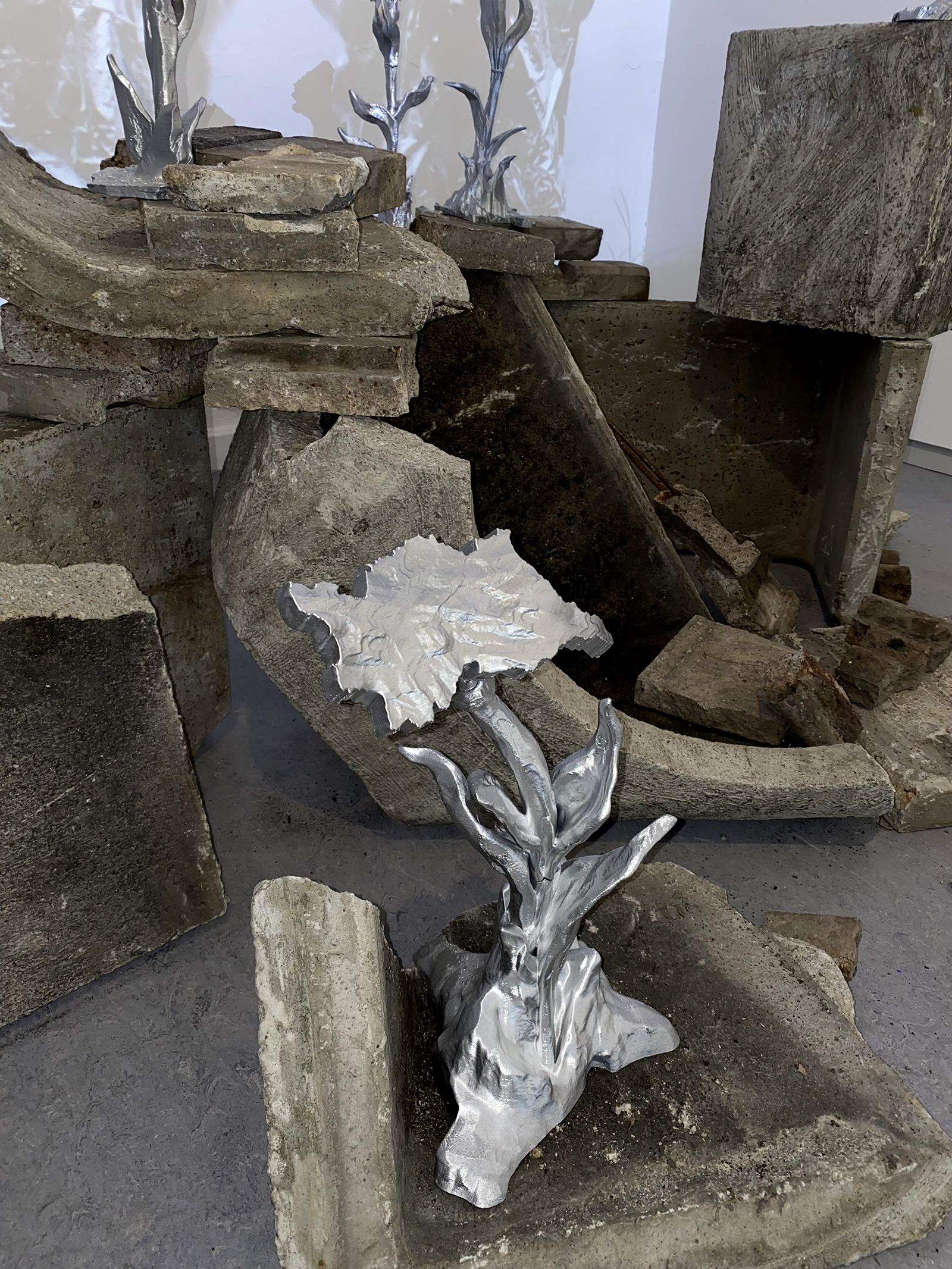

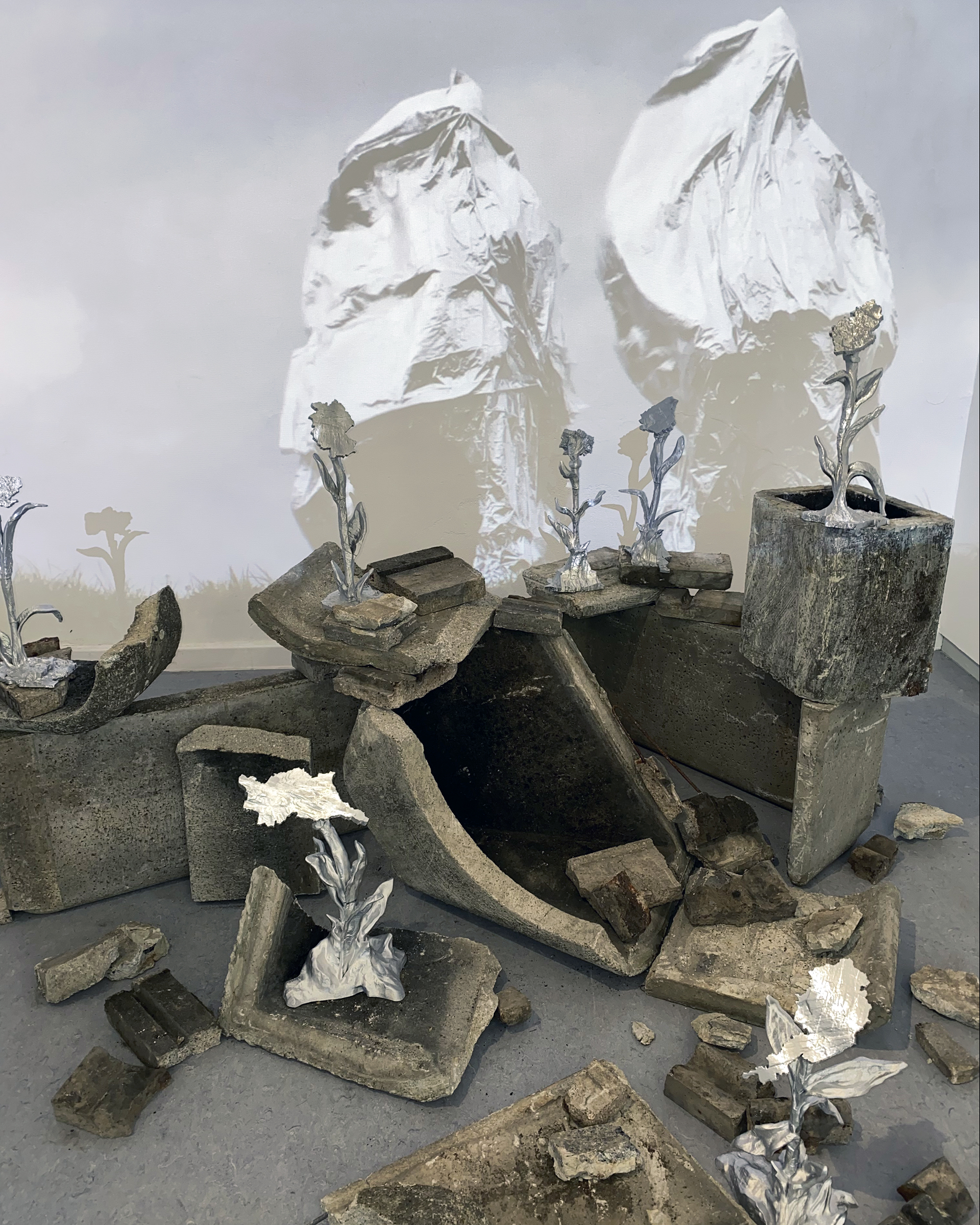
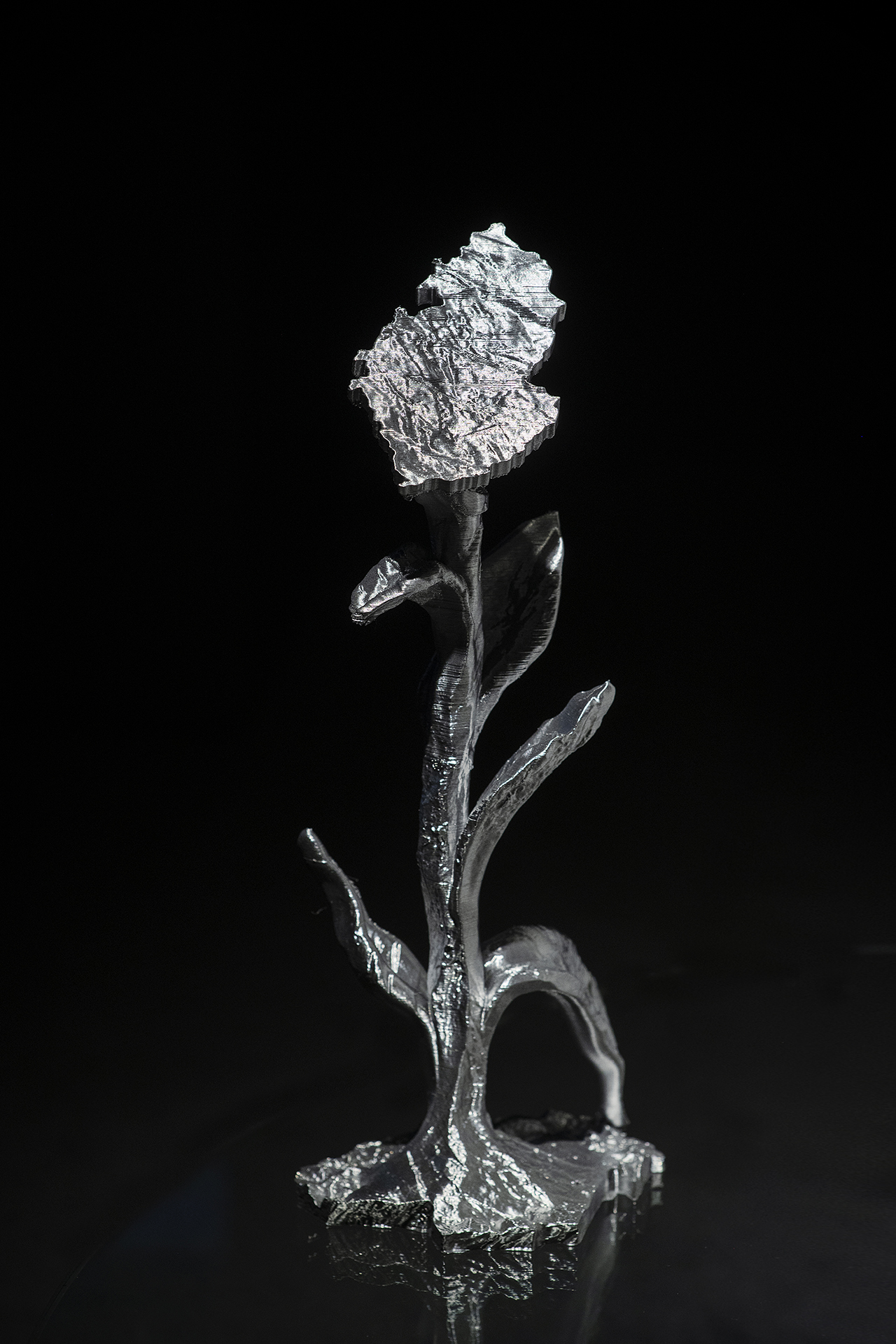


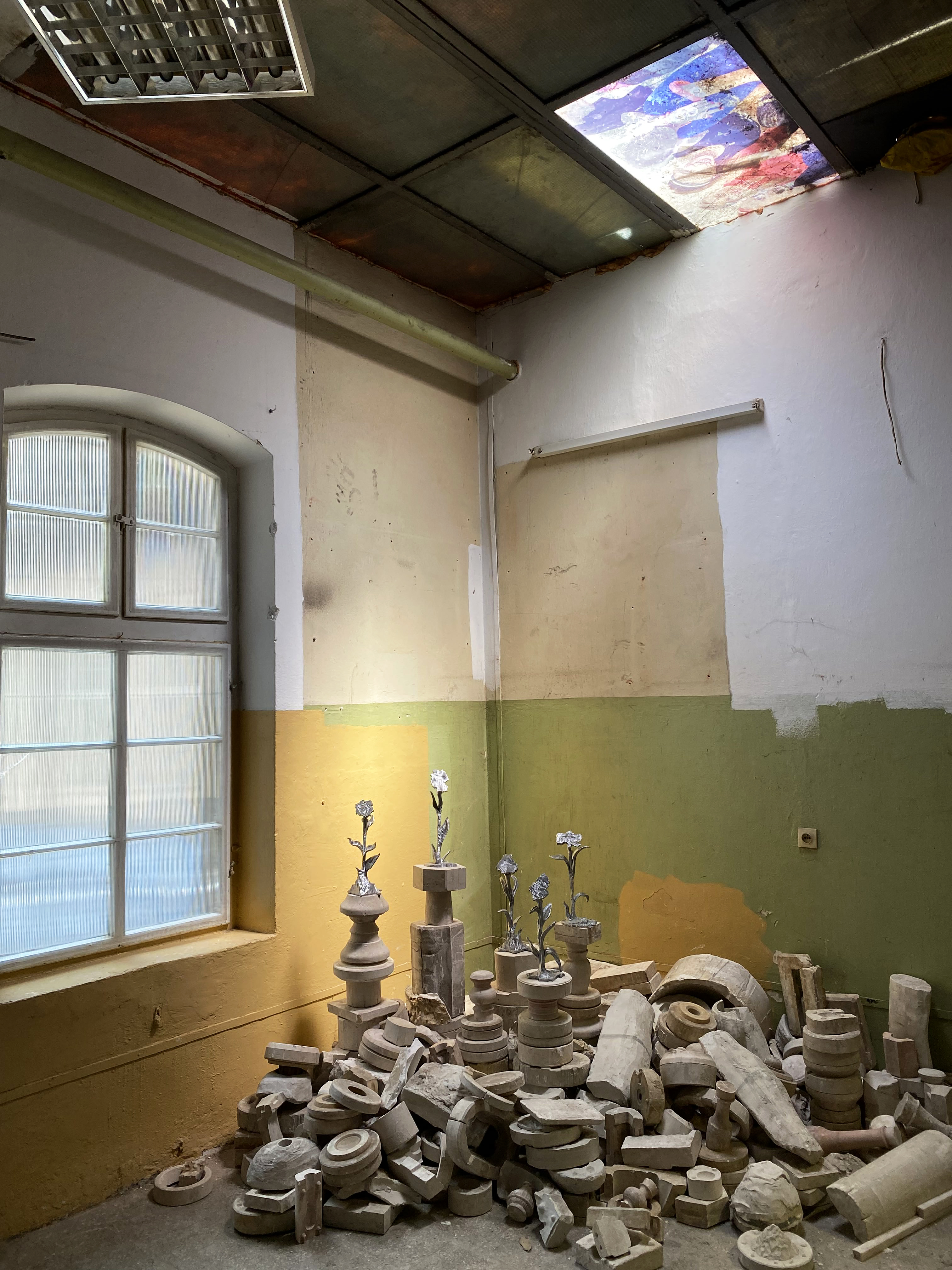
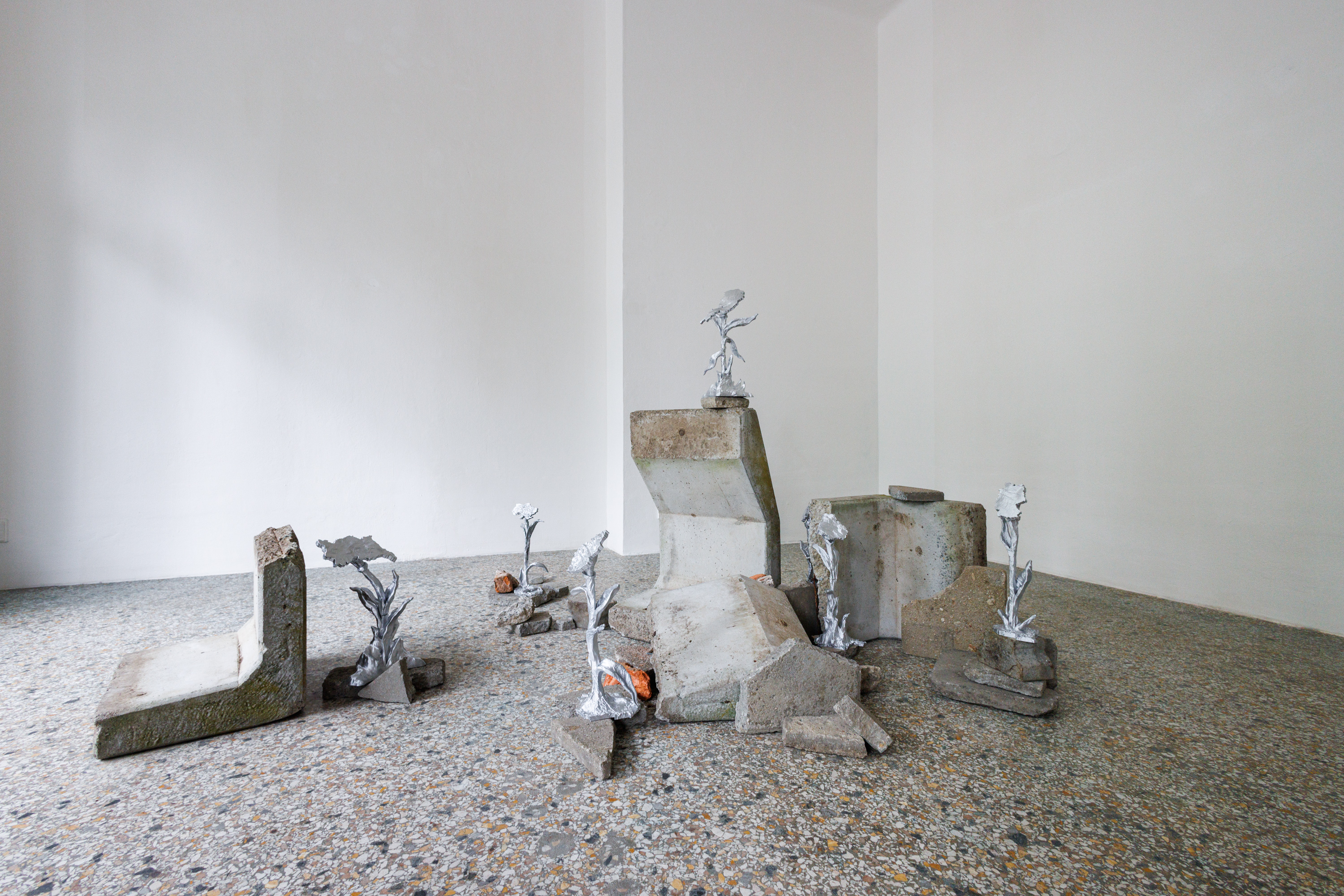
By Law is a poetic reflection on migration, bureaucracy, and the legal recognition of relationships, created together with the artist Uladzimir Hramovich. The central element is a wedding bouquet. Each flower marks a country where the couple lived after their forced emigration from Belarus following the protests of 2020-2021. While marriage registration may seem like a simple administrative process, for migrants it becomes a necessary act of resistance and care, as they often have no one close to them in exile.
The installation incorporates video and sculptural elements, as well as found architectural forms that serve as a base for the bouquet. The shape of the bouquet changes depending on the exhibition context, emphasizing its fluidity and adaptability. When presenting the work, the artists explore the host country's legal frameworks and attempt to obtain documentation for relationship registration. With the support of the Museum of Emigration in Gdynia, where the work was first exhibited, and through a court process, the artists received official permission to register their marriage in Poland. They continue to seek such documentation, treating the process of obtaining legal recognition as intrinsic to the work.
As part of the performative gesture, the artists create pseudo-legal documents, assuming the role of the institution of marriage. By issuing “marriage certificates” with stamps and signatures to gallery visitors, they exercise an emancipatory act: asserting the right to recognition, love, and care beyond state sanction.
By Law highlights how critical documents such as marriage certificates can be for migrants in accessing healthcare, legal protection and recognition. The work also raises questions about the legal status of artist migrants and their access to protection in host countries, including institutional care and the visibility of migrant artists engaged in culture within official frameworks.


